admin
admin
Why Does Thawed Chicken Sometimes Turn Purple?
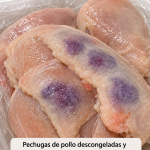
The panic hits quickly. You open a package of chicken and suddenly notice dark purple patches beneath the skin. For a moment, dinner no longer looks harmless. Could the meat be spoiled? Is it safe to eat?
Fortunately, those strange purple areas are often less alarming than they appear.
In many cases, the discoloration comes from myoglobin and bone marrow pigments moving through the meat during freezing and thawing. This can happen more noticeably in younger chickens because their bones are more porous. As ice crystals form and break down during freezing and thawing, cells can rupture and release pigments into the surrounding tissue, creating purple or reddish patches.
The color may look unsettling, but by itself, it does not necessarily mean the chicken has gone bad.
What matters more is the chicken’s smell, texture, and storage history. Fresh chicken should have a relatively neutral smell and feel moist, but not slimy. Green or gray discoloration, an unpleasant odor, or a questionable storage history are much more concerning signs.
If the chicken has been thawed safely in the refrigerator or cold water and has otherwise passed those checks, cook it thoroughly to an internal temperature of 165°F (74°C).
So before you panic over purple chicken, remember: color alone isn’t a reliable test of freshness.