admin
admin
For 20 years, scientists followed the movements of a single eagle with a GPS tracker. What they expected to see was a predictable migration route. Instead, the bird repeatedly changed direction, crossed deserts and mountains, and sometimes traveled hundreds of miles in reverse.
At first, some of the movements looked almost random. Researchers even considered whether the tracking equipment could be responsible. But the data remained consistent year after year.
When scientists compared the eagle’s movements with wind patterns, prey populations, weather, and habitat changes, a remarkable pattern emerged. The bird was responding to its surroundings.
Some unexpected detours matched favorable air currents that could help conserve energy. Other stops occurred when prey became temporarily abundant. Changes in vegetation and habitat also appeared to influence the eagle’s preferred routes.
Rather than following one fixed migration path, the eagle adjusted its journey according to conditions.
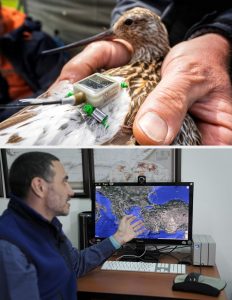
The 20-year record showed why long-term tracking matters. Shorter studies might have missed these patterns entirely.
The findings also carry an important conservation lesson: protecting only traditional migration corridors may not be enough. As climate and habitats change, animals may shift their routes too.
The eagle’s journey revealed something researchers had not fully appreciated—survival can depend on the ability to adapt continuously.