admin
admin
The war may have started in Iran, but tonight, its danger is spreading across the Persian Gulf.
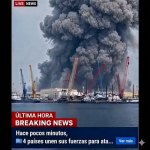
Iran has repeatedly launched missiles and drones toward countries that host American forces, including Bahrain, Qatar, Kuwait, and the United Arab Emirates. Tehran says it is targeting U.S. military facilities. Gulf governments say they are intercepting weapons, dealing with falling debris, closing airspace, and protecting civilians.
That distinction matters because the bases are surrounded by cities and critical infrastructure.
The UAE hosts U.S. forces at Al Dhafra, west of Abu Dhabi. Qatar is home to Al Udeid, a major U.S. command hub. Kuwait has several facilities connected to American forces, while Bahrain hosts the U.S. Fifth Fleet.
Iran has repeatedly named these locations in its claims of military strikes. Gulf officials, however, have often reported interceptions rather than confirmed direct hits on the bases themselves.
Yet the danger does not disappear when a missile is intercepted. Debris can fall into populated areas, damage infrastructure, or injure civilians.
The biggest concern may now be beyond the bases themselves. The Strait of Hormuz remains a critical shipping route, and military warnings, attacks, mines, and insurance risks are already disrupting commercial traffic.
For Gulf governments, the dilemma is becoming harder to avoid: the American military presence is intended to provide security, but Iran says that same presence makes their territory a target.
And with every new night of sirens, the distance between a regional conflict and a much wider war becomes harder to ignore.