admin
admin
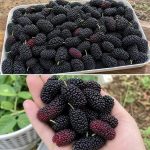
At first glance, these dark berries might look like blackberries. But their elongated shape, tiny rounded segments, and small stems reveal something different: mulberries.
Available in shades of red, purple, and nearly black, mulberries get their rich color from natural plant pigments called anthocyanins. They’re also packed with fiber, vitamin C, potassium, and other plant compounds that can add variety to a healthy diet.
Fresh mulberries are soft, juicy, and naturally sweet, making them an easy addition to yogurt, oatmeal, smoothies, fruit salads, or simply a snack on their own. Their fiber can support normal digestion, while vitamin C contributes to immune function and collagen formation.
One important distinction is between fresh and dried mulberries. Dried fruit contains much less water, making its natural sugars and calories more concentrated.
Mulberries can also be confused with blackberries, but mulberries are generally more elongated, often have stems attached, and grow on trees rather than brambles.
They aren’t a miracle cure, despite exaggerated claims online. They’re simply a delicious, nutrient-rich fruit—and sometimes, the simplest foods deserve a closer look.