admin
American Airlines Flight 191: The Terrifying Failure That Changed Aviation Safety Forever
Few aviation disasters have left such a lasting mark as American Airlines Flight 191. On May 25, 1979, a routine departure from Chicago’s O’Hare International Airport turned into one of the deadliest air disasters in American history.
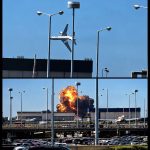
The McDonnell Douglas DC-10 had barely lifted off when its left engine separated from the aircraft. In seconds, the plane lost control and crashed, killing all 273 people aboard and on the ground.
What investigators discovered afterward was even more disturbing: the catastrophe was linked to damage caused during an earlier maintenance procedure. The method used to remove and reinstall the engine had placed excessive stress on its mounting structure. A crack developed, weakened the assembly, and ultimately led to its failure during takeoff.
The investigation exposed serious problems in maintenance practices and prompted important changes in aircraft inspection and engine-handling procedures.
But behind the technical findings were 273 lives suddenly lost and families left facing unimaginable grief.
More than four decades later, Flight 191 remains a sobering reminder that aviation safety depends on details that may seem insignificant—until something goes terribly wrong. Its legacy continues to influence the procedures designed to prevent another tragedy like it.